

Pays
Langue
Résultats

Case study: Building coding skills among Rwandan teachers and their students
Scratc²h 2050, a two-year pilot project implemented from 1 July 2020 to 30 June 2022, aimed to improve the relevance of secondary STEM education and to strengthen the link with the world of work, by supporting STEM and ICT teachers in Kayonza district to set up after-school coding clubs in their schools.
Lire la suite
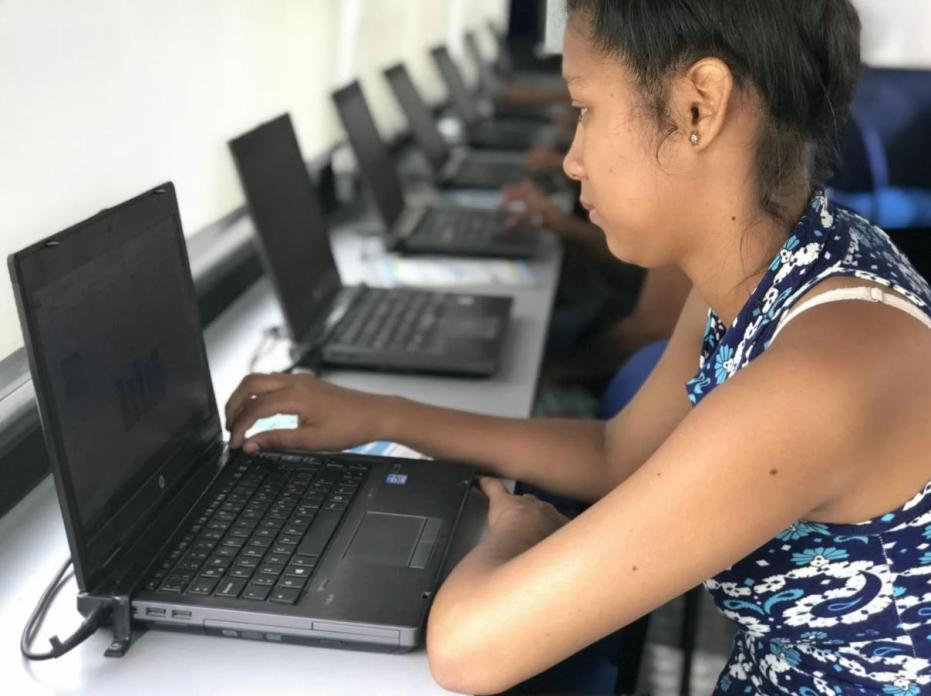
Free to Be Online? A report on girls’ and young women’s experiences of online harassment
Free To Be Online? brings together the voices and experiences of over 14,000 girls across many continents. It aims at uncovering and understanding their experiences being online: what platforms they use, what is their experience of harassment, who are the perpetrators, the impact of harassment on them.
Girls are targeted online just because they are young and female, and if they are politically outspoken, disabled, Black or identify as LGBTIQ+, it gets worse. Like street harassment it is unremitting, often psychologically damaging and can lead to actual physical harm.
Lire la suite
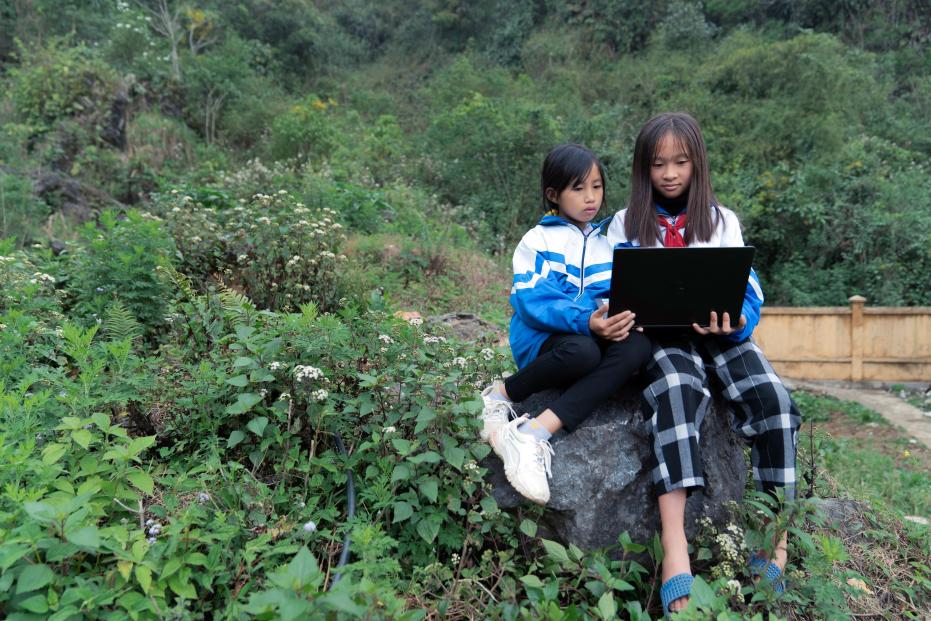
The Truth Gap: How misinformation and disinformation online affect the lives, learning and leadership of girls and young women
This year’s (2021) State of the World’s Girls report, The Truth Gap, explores how adolescent girls and young women deal with misinformation and disinformation when engaging with political, civic or social topics online.
Plan International interviewed 26,000 girls and young women from 26 countries and discovered alarming findings, including that 9 out of 10 have been harmed by false information and lies online.
Lire la suite
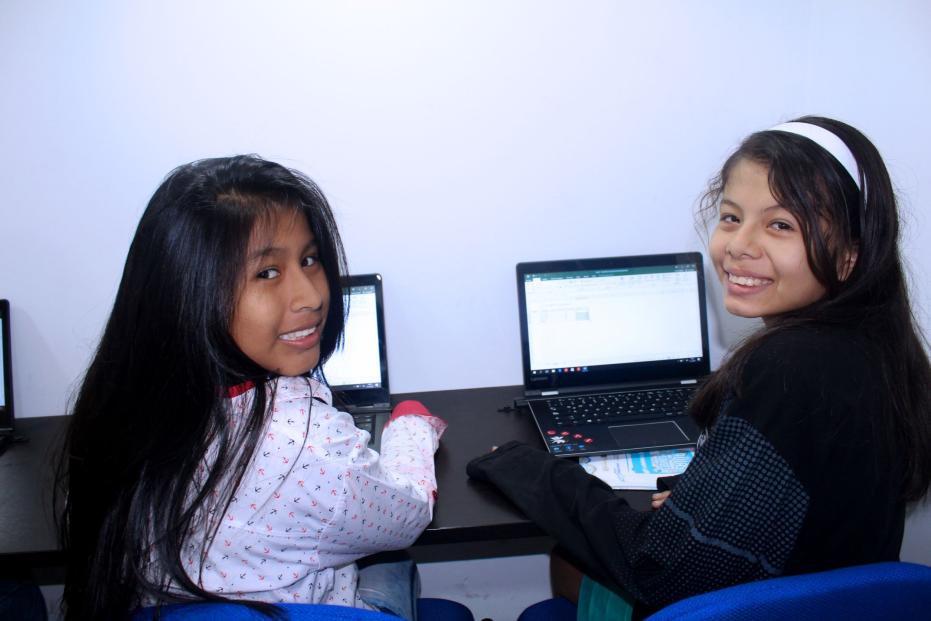
Briefing Paper: Digital Empowerment of Girls
This briefing paper argues that promoting girls’ digital literacy and closing the digital gender gap will play an important role in achieving gender equality and promoting the rights of girls and women worldwide. Indeed, bridging the digital gender divide is essential in ensuring girls and women are not left behind in an increasingly digital future.
Lire la suite
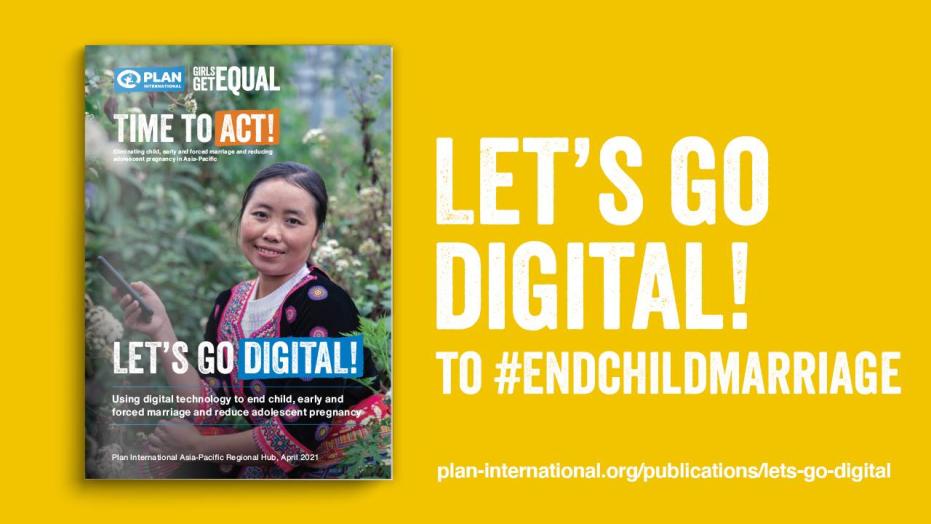
Using digital technology to end child, early and forced marriage and reduce adolescent pregnancy
This report examines the role that digital technologies and online solutions can play in preventing, reducing, and eliminating child, early, and forced marriages (CEFM). Based on an in-depth literature review and key informant interviews, it examines the ways in which Plan International Asia-Pacific Regional Hub (APAC) and other child-rights based development organisations have integrated digital technologies in their programmatic and influencing approaches towards ending CEFM in the region.
Lire la suite

The Power of Earth Observation: Interview with Dr. Adam Lewis of Digital Earth Africa
In this interview, the AfricaConnect3 team speaks to Dr. Lewis about the immense power of Earth Observation in building a better future for Africa and the critical role that effective networks like NRENs have in making this happen.
Lire la suite

Report: Digital Finance Platforms to empower all
To explore how mobile financial services are contributing to financial inclusion and broader Sustainable Development Goals (SDG) impacts, this report by Africa.connected (Vodafone and Vodacom) presents new econometric analysis and primary research.
It focuses on markets dominated by emergent banking systems: Kenya, Tanzania, Mozambique, and Ghana. In particular, looking at how mobile money platforms like M-PESA are accelerating financial inclusion. It also unpacks the role of mobile money and broader financial services, like those offered by Vodacom, within a more mature financial ecosystem such as South Africa's.
Lire la suite

Meeting in the middle: Harnessing the post COVID-19 rise of digital public health engagement in sub-Saharan Africa
The COVID-19 pandemic opened the world's eyes to new possibilities in the healthcare space. 5G technology has the potential to streamline communication and data sharing between hospitals, clinics and within departments, as well as make medical services more easily accessible to patients in remote locations.
Against this backdrop, Africa.connected (Vodafone and Vodacom) have prepared a report on access to the digital health ecosystem in Africa. Featuring multiple case studies, this report showcases how connectivity can improve the reach of vaccination schemes, help parents provide better care for young children and babies, and even save lives.
Lire la suite

A lifeline, not a luxury: Accelerating 4G access in Sub-Saharan Africa
Although studies have found that increasing 4G coverage in Africa can cut poverty by up to 4.3%, the uptake of 4G technology has been slow across the continent of Africa as many people only have access to older 2G and 3G systems. These challenges contribute to the already existing digital divide: between those using old and inferior technology and those with access to newer and superior technology.
In response, this report, created by Africa.connected (Vodafone and Vodacom), proposes four key partnership-led recommendations to make 4G more accessible across the African continent, with the ultimate objective of reducing connectivity costs for vulnerable groups.
Lire la suite

Towards a connected climate: Leveraging digital technologies to break the cycle of food insecurity in sub-Saharan Africa
Climate change is severely hindering agricultural development and food security in Africa. Increasingly extreme and unpredictable weather conditions have caused lower livestock yields, greater crop volatility, and increased pest and disease outbreaks.
With this in mind, this report proposes solutions that can help feed Africa's growing population in the long-term. This responsibility falls not just on individual farmers, but also on governments which will have to adapt their agricultural policies to the digital age.
Lire la suite

Report: Strategies Towards Universal Smartphone Access
An estimated 2.7 billion people globally remain offline today. Most of these people are in low- and middle-income countries (LMICs), and most of them live within good Internet coverage. However, the cost of a smartphone to access the Internet can exceed 70% of the average income in LMICs, presenting a significant barrier to digital inclusion.
This study, developed under the ITU/UNESCO Broadband Commission for Sustainable Development, represents the first multi-stakeholder dialogue and analysis on the topic of smartphone access. More concretely, it studies barriers to smartphone ownership and usage, and provides recommendations on how these may be overcome.
Lire la suite

Online Course: Artificial Intelligence for Policy Makers
An introduction to Artificial Intelligence (AI) for policymakers in the Global South.
Lire la suite