

Pays
Langue
Résultats
Plan d'action : L'intelligence artificielle pour l'Afrique
Smart Africa présente un plan d'action pour guider le continent africain vers un acteur mondial à part entière dans le domaine de la technologie de l'IA.
Lire la suite
The role of academia in data protection
Episode 7 of the Data Protectors Podcast guides listeners on easy-to-read publications and courses that they can access to build their capacity on data protection issues.
Lire la suite


Les libertés numériques dans les pays francophones d'Afrique
Ce rapport dresse un état des lieux de ces libertés numériques dans 26 pays francophones en Afrique et propose des actions concrètes pour améliorer la participation citoyenne et la démocratie.
Lire la suite
The role of civil society in data protection
The last episode of the Data Protectors Podcast shares insights on harnessing partnerships in Kenya, Europe and beyond to strengthen the advancement of data protection.
Lire la suite

HELP Online Course on Data Protection and Privacy Rights
Lire la suite

Case study: Building coding skills among Rwandan teachers and their students
Scratc²h 2050, a two-year pilot project implemented from 1 July 2020 to 30 June 2022, aimed to improve the relevance of secondary STEM education and to strengthen the link with the world of work, by supporting STEM and ICT teachers in Kayonza district to set up after-school coding clubs in their schools.
Lire la suite
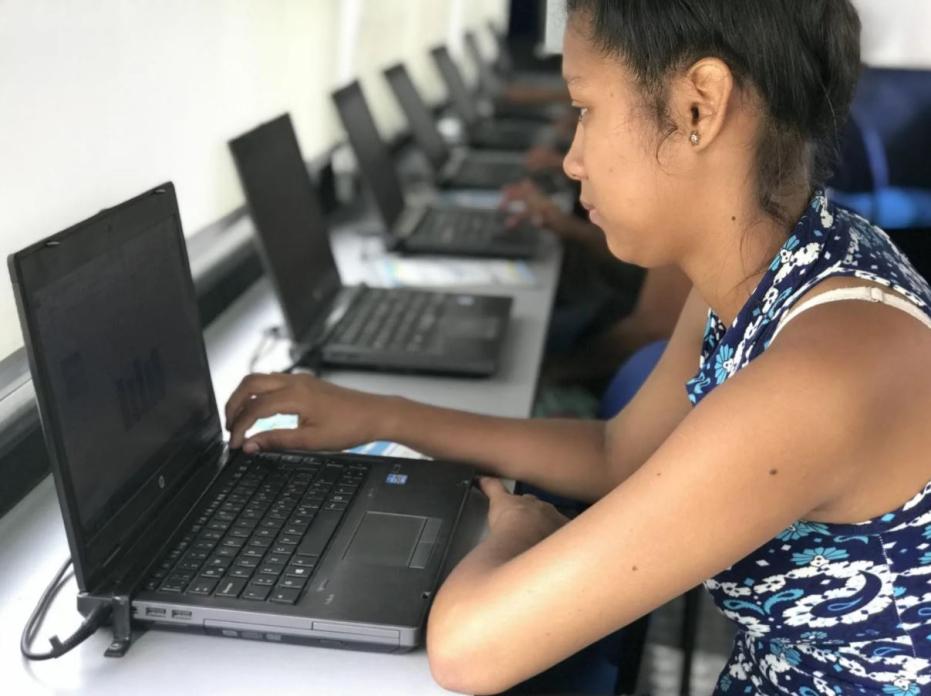
Free to Be Online? A report on girls’ and young women’s experiences of online harassment
Free To Be Online? brings together the voices and experiences of over 14,000 girls across many continents. It aims at uncovering and understanding their experiences being online: what platforms they use, what is their experience of harassment, who are the perpetrators, the impact of harassment on them.
Girls are targeted online just because they are young and female, and if they are politically outspoken, disabled, Black or identify as LGBTIQ+, it gets worse. Like street harassment it is unremitting, often psychologically damaging and can lead to actual physical harm.
Lire la suite
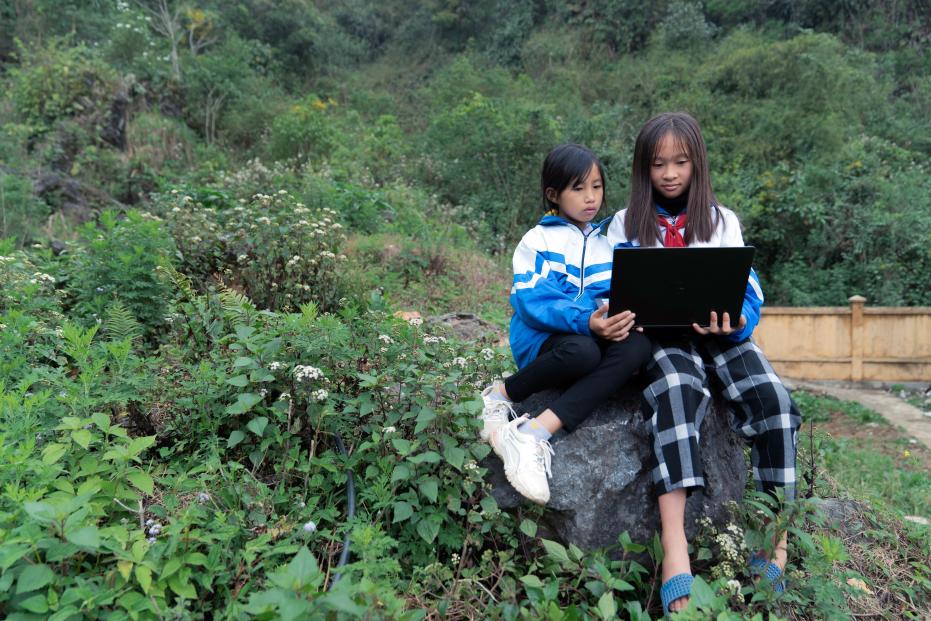
The Truth Gap: How misinformation and disinformation online affect the lives, learning and leadership of girls and young women
This year’s (2021) State of the World’s Girls report, The Truth Gap, explores how adolescent girls and young women deal with misinformation and disinformation when engaging with political, civic or social topics online.
Plan International interviewed 26,000 girls and young women from 26 countries and discovered alarming findings, including that 9 out of 10 have been harmed by false information and lies online.
Lire la suite
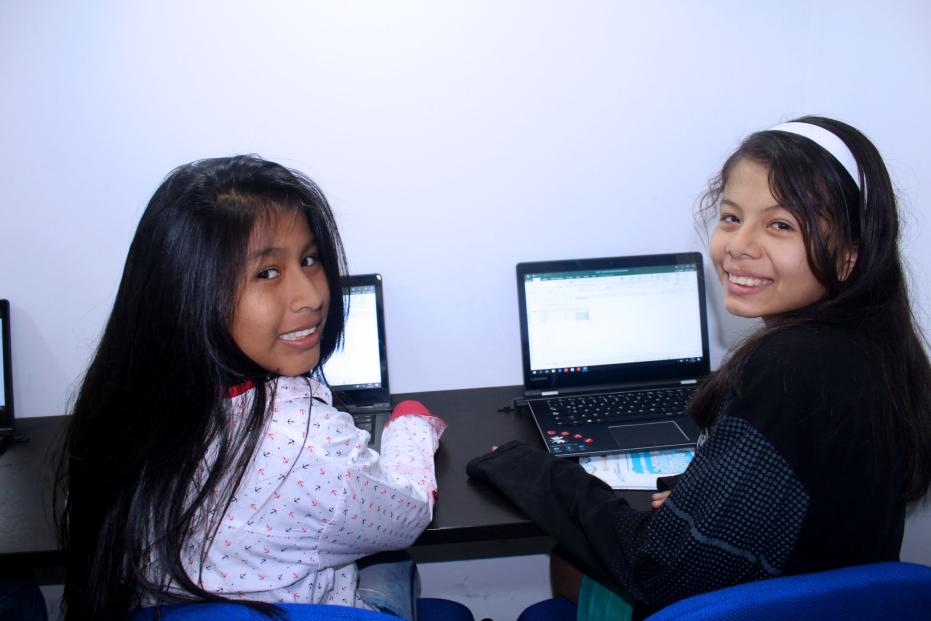
Briefing Paper: Digital Empowerment of Girls
This briefing paper argues that promoting girls’ digital literacy and closing the digital gender gap will play an important role in achieving gender equality and promoting the rights of girls and women worldwide. Indeed, bridging the digital gender divide is essential in ensuring girls and women are not left behind in an increasingly digital future.
Lire la suite
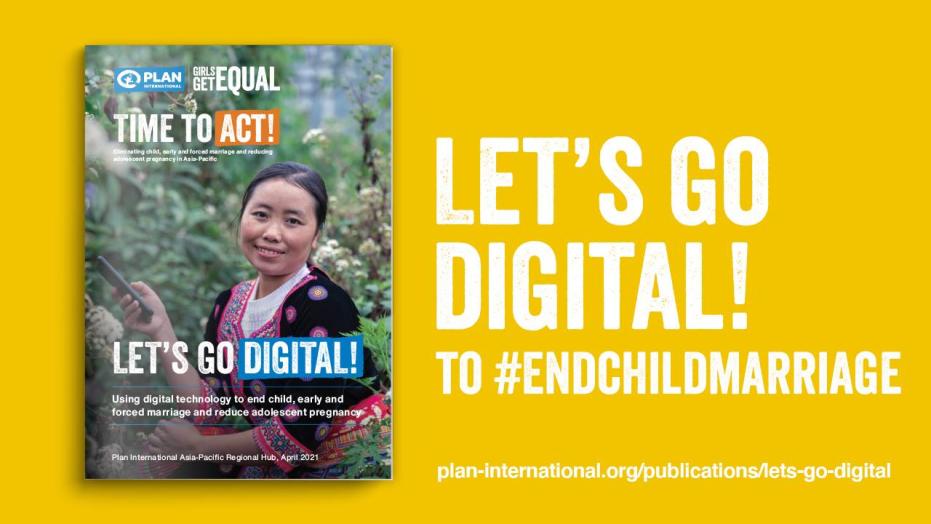
Using digital technology to end child, early and forced marriage and reduce adolescent pregnancy
This report examines the role that digital technologies and online solutions can play in preventing, reducing, and eliminating child, early, and forced marriages (CEFM). Based on an in-depth literature review and key informant interviews, it examines the ways in which Plan International Asia-Pacific Regional Hub (APAC) and other child-rights based development organisations have integrated digital technologies in their programmatic and influencing approaches towards ending CEFM in the region.
Lire la suite