

This factsheet draws on a study carried out by Humanity & Inclusion (HI) with the support of the AFD (Agence française de développement) and Norad (Norwegian Agency for Development Cooperation) aimed at (i) drawing up an inventory of existing ICT that could help support inclusive education for children with disabilities; and ii) identifying the challenges involved in implementing these ICT tools in the classrooms of some of the French-speaking countries in which HI is working, namely Benin, Burkina Faso, Madagascar, Mali, Morocco, Niger, Senegal and Togo.

Key messages
- Information and Communication Technology (ICT) supports the inclusion in education of children with disabilities by enabling them to overcome some of the barriers causing their exclusion. ICT complements other face-toface methods and tools, such as teacher training and inclusive pedagogy.
- The closure of schools due to the COVID-19 pandemic prompted innovations in distance education through ICT. But not everyone was able to benefit from them. Children with disabilities, especially girls - already more likely to be excluded from advances in digitalisation - were largely left behind, exacerbating existing inequalities.
- Ensuring access to inclusive and equitable education by 2030 will require us to rethinkthe means we use and accelerate the access to and affordability of digital technology in low- and middle-income countries.
- A disability-inclusive and gender-responsive approach to ICT development must be adopted in the education sector to address differences in access to connectivity and digital learning and reduce the digital divide in order to enable all learners to reach their full potential.
- Achieving optimal use of ICT in inclusive education requires the development of partnerships, the implementation of effective coordination between stakeholders and a strong political commitment to fostering innovation.

Related knowledge products
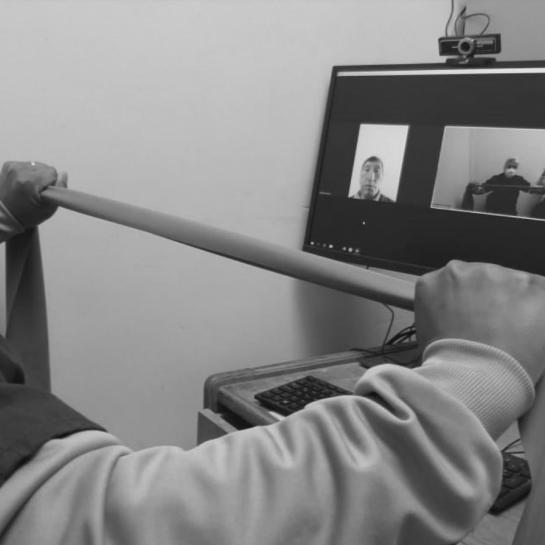
Barriers and levers for the use of telerehabilitation through experimentation in three countries
The aim of this study is to describe and analyse the barriers and levers for the us eof ICT to provide rehabilitation services to people remotely in their environment.
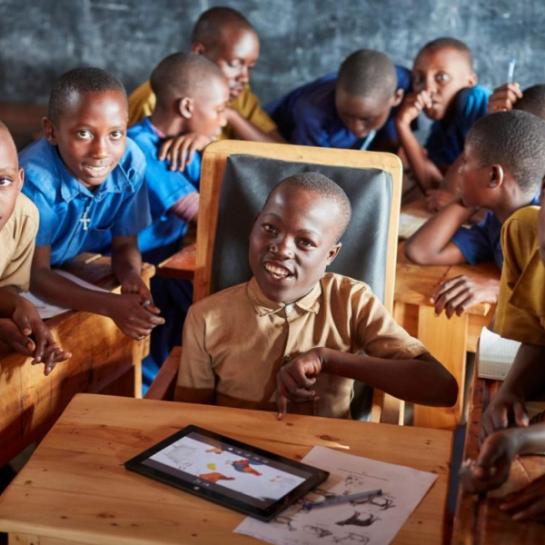
Information and Communication Technologies (ICTs) and Inclusive Education
The objective of the study is to carry out an inventory and analysis of Information and Communication Technologies (ICTs) likely to promote the educational inclusion of children with disabilities in HI’s countries of intervention in French-speaking Africa (Benin, Burkina Faso, Madagascar, Mali, Morocco, Niger, Senegal and Togo).


Add new comment