

Pays
Langue
Résultats

Préserver l’Internet ouvert et gratuit
Des chercheurs et des experts échangent sur ce que les efforts conjoints de l'UA et de l'UE peuvent faire pour sauvegarder un Internet ouvert et libre. L'objectif de la session est de sensibiliser aux opportunités et aux défis pour promouvoir une transformation numérique véritablement inclusive, y compris les aspects éthiques, la fragmentation réglementaire et technique, la concurrence géopolitique, les restrictions aux libertés et la souveraineté des données.
Lire la suite

WhyID: plaidez votre cause
Les systèmes d'identité numérique autonomisent-ils les utilisateurs, en particulier ceux des populations marginalisées ? Au cours de cette session du Forum multipartite D4D Hub Afrique-Europe, les intervenants discutent de l'importance de bien évaluer les objectifs, le besoin et les avantages de l'identité numérique avant de mettre en place des programmes.
Lire la suite

Connectivité Internet : réalisations à ce jour, défis et opportunités à venir
Échange sur les meilleures pratiques et réalisations sur la connectivité Internet, les lacunes existantes et les défis à venir. Les intervenants discutent des modèles de réglementation et d'investissement pour atteindre les objectifs et de nouvelles solutions durables de connectivité Internet.
Lire la suite

Online Course: Fundamentals of Economic Regulation of Digital Markets
The concept of agile governance aims to help policymakers develop policies in a more proactive way, allowing them to keep pace with the rapid development and deployment of emerging technologies. The objective of the course is to contribute into development of a capacity building program on digital regulation to support digital transformation in Africa.
Lire la suite
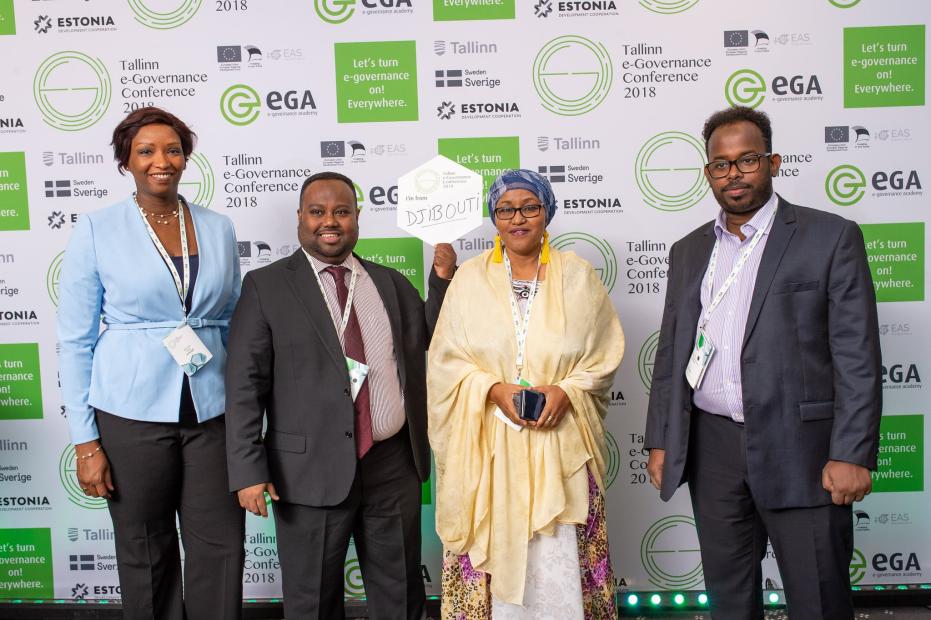
Podcast: Making interoperability a reality in Djibouti
Listen to this episode of the Digital Government Podcast which explores Djibouti's experience implementing a data exchange platform for more efficient digital public service delivery.
Lire la suite

Podcast: A deeper dive into digital skills and connectivity of EU countries
There are many ways to measure the progress and impact of digital transformation in societies. In this podcast episode, Hannes Astok and Linnar Viik make a deeper dive into DESI – the Digital Economy and Society Index. They look behind the numbers and explain where EU’s national governments have succeeded and where they have failed. In particular, they focus on digital skills and connectivity in EU countries. Moreover, Linnar Viik explains what the European digital paradox is.
Lire la suite

Taxe sur le commerce numérique : une opportunité pour l'Afrique ?
La réforme sur la taxation mondiale des multinationales, qui a débouché en octobre 2021 sur l’adoption de l’initiative du cadre inclusif OCDE/G20 relative à l’érosion de la base d’imposition et au transfert des bénéfices (BEPS), enregistre l’adhésion de 23 pays africains. Une étude financée par l’AFD sur cette thématique offre un plaidoyer à destination des décideurs africains afin de promouvoir leur mobilisation accrue dans les négociations internationales sur le sujet.
Lire la suite

Digital dividends of an e-society
This video explains the different benefits for society arising from the use of digital technologies for public service delivery.
Lire la suite

Cyber diplomacy, regional challenges and gender issues in cybersecurity with Joe Burton
In this podcast, we are joined by Mr Joe Burton, coordinator of the Jean Monnet Network at the European Cyber Diplomacy (CYDIPLO). Joe Burton is also currently working on the CYBERCULT project funded by the European Commission.
In this podcast, he tells us more about his line of work and his main areas of expertise, including cyber warfare and cyber diplomacy. Furthermore, we discuss gender issues in cyber security as well as other challenges that different regions face in this field.
Lire la suite
Cyber capacity building in development policies and the importance of cyber diplomacy for the EU with Patryk Pawlak
In this podcast, we are joined by Dr. Patryk Pawlak, the Executive Officer of the EUISS. Dr Pawlak has extensive experience in cyber capacity building policy, is a project director for the EU Cyber Direct - European Cyber Diplomacy Initiative, and is a former co-chair of the Advisory Board of the Global Forum on Cyber Expertise.
In this podcast, Dr. Pawlak elaborates on cyber diplomacy and its importance for the EU, the increasing need for cyber capacity building, specifically in development policies, and provides insight into the influential trends of cyber capacity building in international cooperation.
Lire la suite
Cybersecurity policies with Bertrand Lathoud
In this podcast, we are joined by Mr Bertrand Lathoud, Head of the Cybersecurity Competence Centre (C3) at SecurityMadeIn.Lu. Mr Lathoud also works as member of the Advisory Board of EU CyberNet.
In this podcast, he tells us about the Luxembourg Cybersecurity Competence Centre, how cyber capacity building tools and programs used in developing countries can also be relevant at the national level for EU member states and Luxembourg’s cybersecurity priorities at the national and European levels.
Lire la suite
Strengthening cybersecurity, a free, open and secure cyberspace and social development with Uri Rosenthal
In this podcast, we are joined by Mr Uri Rosenthal. He served as Minister of Foreign Affairs in the Government Rutte I (2010-2012). From 2013 to March 2017, he served as the Dutch Government’s Special Envoy for International Cyber Policy. In that capacity, he has been responsible for the preparation of the Global Conference on Cyberspace in the Hague in 2015, and for the dissemination of its results through the London process.
In this podcast, he tells us about his work as Special Advisory to the GFCE Foundation Board, his work towards a free, open and secure cyberspace, as well as the interlinkages between strengthened cybersecurity, the promotion of a free and open internet, as well as digital economic and social development.
Lire la suite